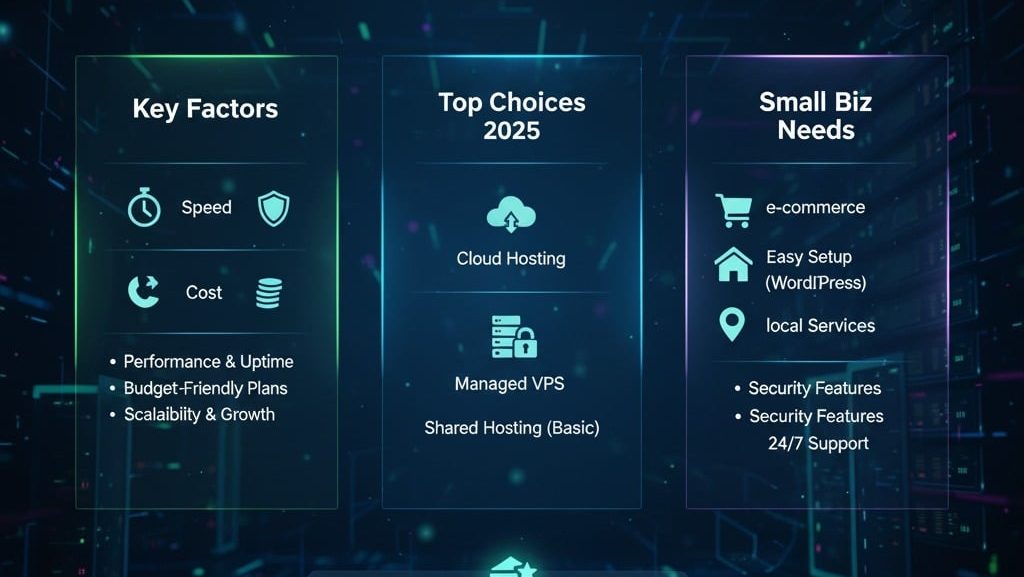
Website Hosting for Small Business: A 2025 Roadmap
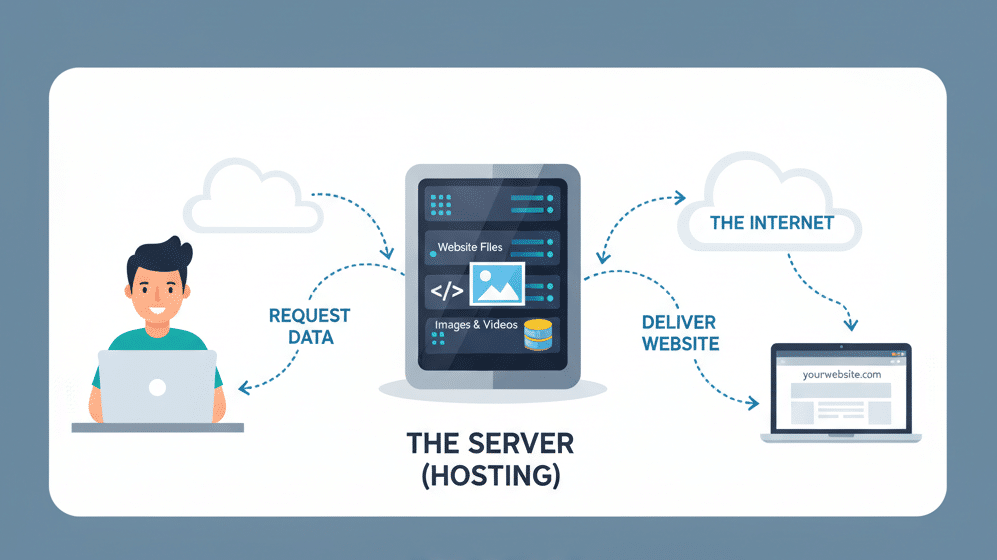
Did you know that website downtime can cost small businesses an average of $150 per minute? Choosing the wrong web hosting can be a costly mistake. In today’s digital landscape, where online presence is paramount, selecting the optimal small business hosting solution is a critical decision for any enterprise aiming for success. This comprehensive guide will navigate the complexities of hosting options, providing you with the knowledge to make an informed choice that aligns with your business goals and fuels your digital marketing efforts. Your website’s performance significantly impacts search engine optimization and overall business growth, making this decision one you can’t afford to get wrong.
Why Hosting Matters More Than Ever in 2025
The online world is evolving rapidly. Expectations for website speed, security, and reliability are constantly increasing. In 2025, a slow-loading or insecure website isn’t just an inconvenience – it’s a significant impediment to your business success. Google’s ranking algorithms heavily penalize poorly performing sites, making it harder to attract customers through organic search.
- User Experience: Customers expect fast, seamless experiences. Slow loading times lead to high bounce rates and deter repeat visits.
- SEO Implications: Google prioritizes websites that offer excellent user experiences. Page speed is a confirmed ranking factor, directly impacting your visibility.
- Security Threats: Cyberattacks are becoming more sophisticated. Robust security measures, often provided by your host, are crucial for protecting your data and customer information.
Understanding Your Small Business Hosting Needs
Before diving into specific hosting options, it’s essential to assess your business’s unique requirements. Consider these factors carefully:
- Website Traffic: Estimate your current and projected website traffic. Higher traffic volumes invariably require more robust hosting solutions to maintain performance.
- Storage Space: Determine how much storage space you need for your website files, high-resolution images, videos, and databases.
- Technical Expertise: Assess your team’s technical skills. Managed hosting options can be immensely beneficial if you lack in-house technical expertise for server management.
- Budget: Hosting costs vary widely. Establish a realistic budget and look for solutions that offer the best value within your price range, without compromising essential performance.
Consider your keyword research strategy for your website. Are you planning on publishing lots of high-quality content that needs to be indexed by Google quickly? Make sure your hosting can handle the load and support your overall SEO strategy effectively.
Types of Web Hosting: Choosing What’s Right for Your Business
Here’s a breakdown of the most common types of web hosting, along with their pros and cons, to help you make an informed decision:
Shared Hosting
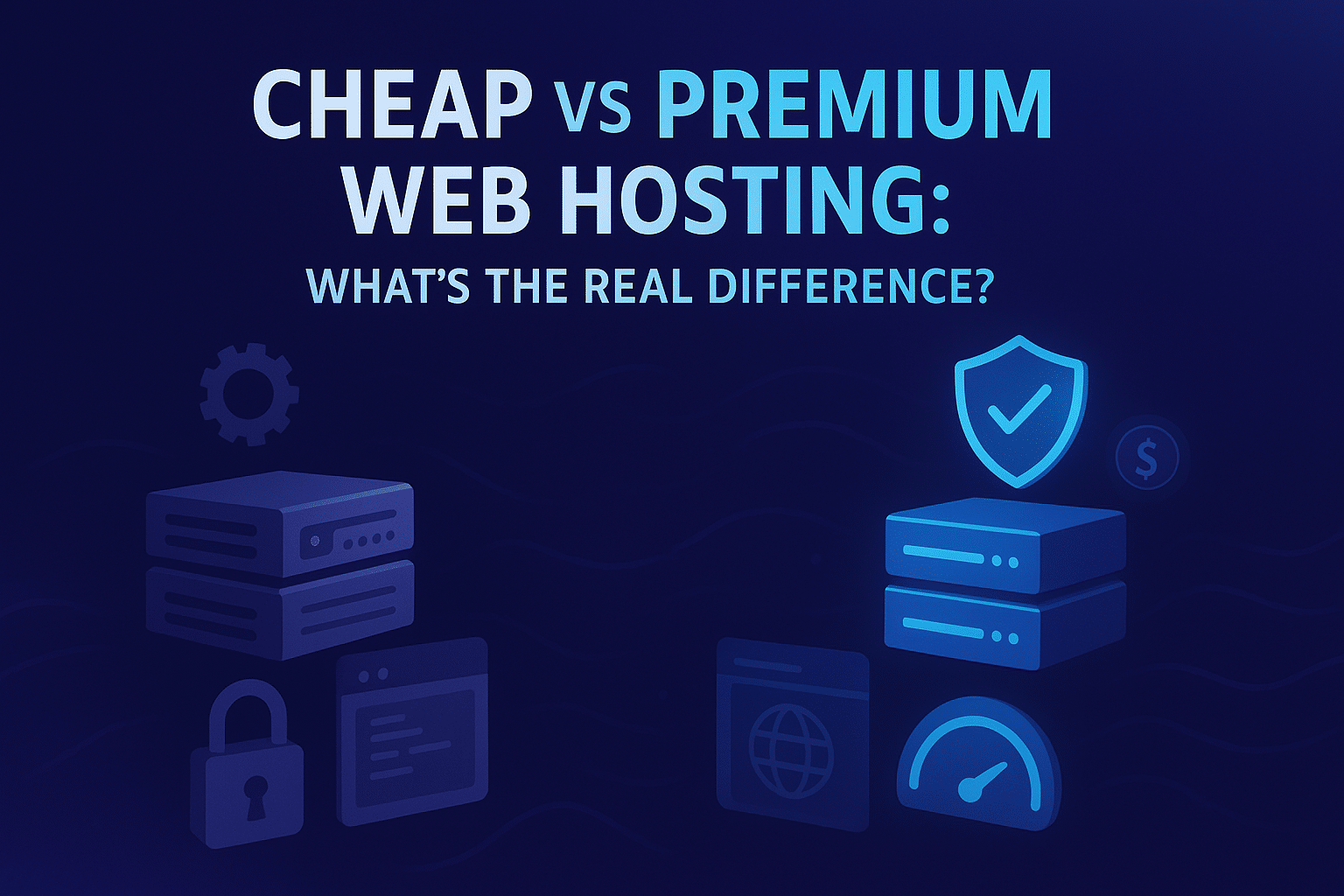
Shared hosting is the most affordable option, where multiple websites share the resources of a single server. It’s suitable for new small businesses with limited budgets and low traffic volumes, often ideal for initial websites starting their online marketing journey.
Pros:
- Low cost, making it highly accessible
- Easy to set up and manage, often with user-friendly control panels
- Suitable for basic informational websites and blogs
Cons:
- Limited resources, which can lead to performance issues if another site uses too many resources
- Performance can be affected by other websites on the same server
- Less control over server configuration and security settings
VPS Hosting (Virtual Private Server)
VPS hosting provides you with a virtualized server environment, offering more dedicated resources and greater control compared to shared hosting. It’s ideal for growing businesses that need more flexibility and scalability without the higher expense of a dedicated server.
Pros:
- More dedicated resources and better performance than shared hosting
- Greater control over server configuration and software installation
- Scalable to accommodate growing traffic and evolving business needs
Cons:
- More expensive than shared hosting
- Requires some technical expertise for unmanaged options, though managed VPS simplifies this
Dedicated Hosting
Dedicated hosting provides you with an entire physical server solely for your website. It offers the highest level of performance, security, and control. It’s suitable for large businesses with very high traffic volumes and demanding applications, where maximum reliability and customization are paramount.
Pros:
- Maximum resources and unparalleled performance
- Complete control over server configuration and security
- Enhanced security with no “noisy neighbors” impacting your site
Cons:
- Most expensive hosting option
- Requires significant technical expertise for unmanaged options, including server administration and maintenance
Cloud Hosting
Cloud hosting utilizes a network of virtual servers that work together to host your website. It offers excellent scalability, reliability, and flexibility, making it a popular choice for businesses of all sizes, especially those anticipating fluctuating traffic or needing global reach.
Pros:
- Highly scalable, allowing you to easily adjust resources up or down as needed
- Excellent reliability and uptime, as traffic can be routed away from failing servers
- Pay-as-you-go pricing, which can be cost-effective for variable usage
Cons:
- Can be more complex to set up and manage without technical expertise or a managed service
- Costs can fluctuate based on usage, requiring careful monitoring to stay within budget
Managed vs. Unmanaged Hosting
Another important consideration for small business hosting is whether to choose managed or unmanaged hosting. This choice significantly impacts your operational overhead and the level of technical skill required from your team.
Managed Hosting: Ideal for users who lack technical expertise or prefer to focus on their core business operations. The hosting provider handles all server maintenance, security updates, software patching, and technical support, offering peace of mind and saving valuable time.
Unmanaged Hosting: Suitable for technically proficient users who want complete control over their server environment. It requires a deeper understanding of server administration, security protocols, and ongoing maintenance, making it more challenging but offering maximum customization.
The Rise of Specialized Hosting
In 2025, we’re seeing an acceleration in specialized hosting solutions tailored to specific platforms and applications, simplifying management and optimizing performance for niche needs:
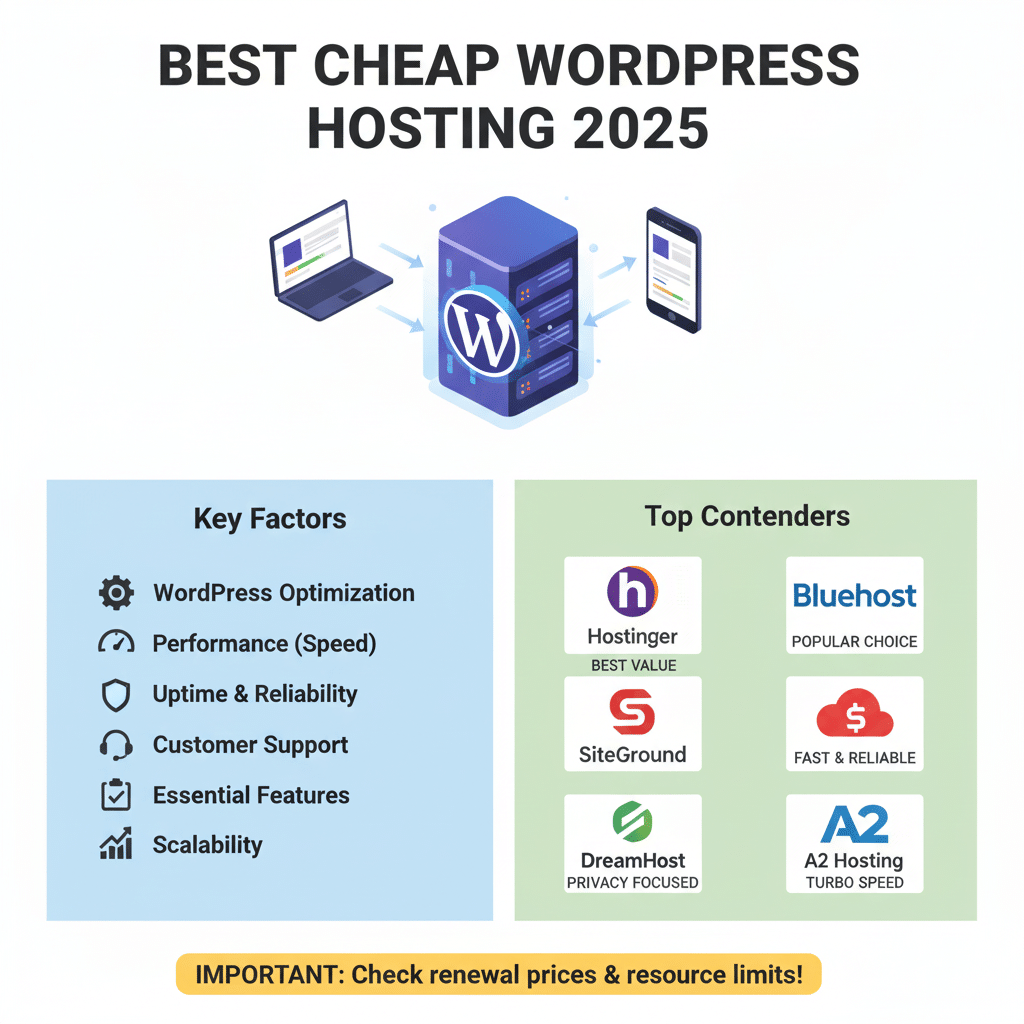
- WordPress Hosting: Optimized for WordPress websites, offering features like one-click installation, automatic updates, and enhanced security. This is perfect for content-driven sites and effective digital marketing strategies.
- eCommerce Hosting: Designed specifically for online stores, providing features like PCI compliance, robust SSL certificates, and seamless shopping cart integration, all crucial for secure and efficient online transactions.
- Application Hosting: Tailored for specific web applications (e.g., Laravel, Django), providing optimized environments, specific dependencies, and scaling solutions.
SEO Considerations When Choosing a Host
Your choice of hosting provider directly impacts your SEO strategies. A good host is foundational to strong search engine rankings and overall online marketing success. Here’s how:
- Server Location: Choose a server location that is geographically close to your target audience. This reduces latency and significantly improves website loading speed, which is a key SEO ranking factor.
- Uptime: Ensure your hosting provider offers a high uptime guarantee (ideally 99.9% or higher). Frequent downtime negatively impacts user experience and can severely damage your search engine rankings, as Google won’t index an unavailable site.
- SSL Certificate: An SSL certificate (HTTPS) is essential for website security, encrypting data between your site and users. It’s also a confirmed ranking factor in Google’s algorithm. Make sure your hosting provider offers robust SSL solutions, ideally for free.
- Page Speed: Choose a hosting provider that utilizes SSD storage, caching mechanisms, and other performance-enhancing technologies to ensure fast loading times. Optimizing for page speed is a crucial SEO technique for retaining visitors and improving rankings across all devices.
- Scalability: As your business grows and traffic increases, your hosting needs will evolve. Ensure your host offers easily scalable solutions to prevent performance issues that could harm SEO and user experience during peak times.
Case Study: Choosing the Right Hosting for a Growing Online Store
Consider a small business selling handmade jewelry online. Initially, they opted for shared hosting to minimize costs. However, as their business grew and website traffic increased, they started experiencing slow loading times and frequent downtime. This negatively impacted their sales and online marketing efforts, leading to frustrated customers and lost revenue.
Recognizing the bottleneck, they switched to a managed VPS hosting solution specifically optimized for eCommerce. This resulted in significantly faster loading times, improved uptime, and enhanced security. As a direct consequence, their website traffic increased, their conversion rates improved, and their revenue grew substantially. This case highlights how investing in the right small business hosting can directly fuel growth and improve a website’s overall performance and profitability by providing a stable and fast online presence.
Future Trends in Web Hosting for 2025 and Beyond
Looking ahead to 2025, here are some key trends shaping the future of web hosting, offering even more sophisticated options for your small business website:
- AI-Powered Hosting: Hosting providers are increasingly leveraging AI to automate server management tasks, optimize performance, enhance security, and even predict potential issues before they impact your site.
- Edge Computing: Edge computing brings computing resources closer to the end-user, further reducing latency and improving website speed, crucial for geographically dispersed audiences and real-time applications.
- Green Hosting: Environmentally conscious hosting providers are using renewable energy sources and more efficient data center designs to power their services, aligning with growing corporate social responsibility.
- Serverless Computing: While still evolving, serverless computing could offer even greater scalability and cost-efficiency for specific application types, where you only pay for the compute resources consumed by your code, removing server management overhead.
Making Your Final Decision on Small Business Hosting
Choosing the best hosting for your small business website requires careful consideration of your specific needs, budget, and technical expertise. Don’t be afraid to shop around, compare different providers, and read reviews. Take advantage of free trials or money-back guarantees to test out different hosting solutions before committing to a long-term contract.
Remember to use the best SEO tools to analyze your website’s performance and identify areas for improvement. Regularly update your website content, optimize your images, and build high-quality backlinks to improve your search engine rankings. Following SEO best practices is paramount to succeeding in today’s competitive online landscape, and your hosting choice is a foundational part of that success.
Conclusion: Secure Your Digital Future with the Right Hosting
Selecting the right web hosting is a foundational element for any successful small business website in 2025. By carefully evaluating your needs, understanding the different hosting options, and considering SEO best practices, you can make an informed decision that empowers your digital marketing efforts and drives long-term growth. Your website’s hosting plays a crucial role in ensuring a positive user experience, improving search engine rankings, and ultimately, achieving your business objectives. Don’t underestimate the importance of this decision – it can be the difference between success and failure in the competitive online world. **Contact our software experts today** for a free consultation on how to choose the best hosting for your small business! Learn how our content optimization experts can help! Visit us at SymHost to explore your options and take your business to the next level.